Learn more about HIV, including who’s at risk, where to get tested, and how you can prevent it.

Frequently Asked Questions
How do I know if I’m undetectable?
The only way to know if your virus is undetectable is to get a test where the doctor takes blood. This test will show how much virus there is in your blood on that day. If the amount of virus in your blood is below the limit that the test can measure, then you Read More
If someone is undetectable, can the virus become detectable again?
Yes, the virus can become detectable again if someone with HIV stops taking their medication. This means that they can share HIV with others through sex or sharing needles. Periods, where the virus becomes detectable again, are sometimes referred to as viral "blips". Blips are when HIV levels are minimally detectable for a short Read More
Is someone who is undetectable cured of HIV?
No, someone who is undetectable is still living with HIV, and the virus will not go away just because they have an undetectable viral load. However, it does mean that people living with the virus can live a long, healthy, and normal life. By continuing to take their medication and see their doctor regularly, Read More
What does it mean for HIV to be untransmittable?
Being untransmittable means that during sex HIV cannot be passed from one partner to another. It also means that a person living with HIV who is on treatment and has an undetectable viral load cannot share the HIV virus with their partners. Read More
What does it mean to be undetectable?
Being undetectable means having such a low level of the HIV virus in the body that it is not detectable by HIV tests. This usually happens when people take their medications regularly and maintain a healthy lifestyle and diet. People who are on antiretroviral therapy (ART) can usually become undetectable within six to twelve Read More
NEED HELP?

Affording Medical Care
Help navigating insurance and financial assistance.


Get
Tested
Tested
Testing is free and confidential.

Housing assistance
Help with emergency and long-term housing.

Counseling
Connect to mental health support.
800-656-4673
National Sexual Assault Hotline
Assistance for people who have experienced sexual assault.
800-799-7233
National Domestic Violence Hotline
For those who may be in an unsafe situation with a partner or family member.
Be in
The Know
February 9, 2026
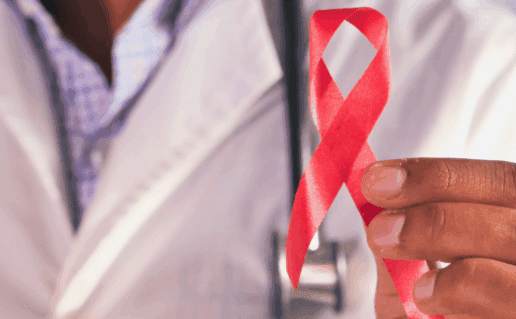
New HIV Prevention Advances & How to Talk About Them

January 25, 2026
HIV Medicine Adherence: Tips for Managing HIV Treatment

January 6, 2026
Navigating Relationships: Dating and Disclosure of HIV Status
December 13, 2025
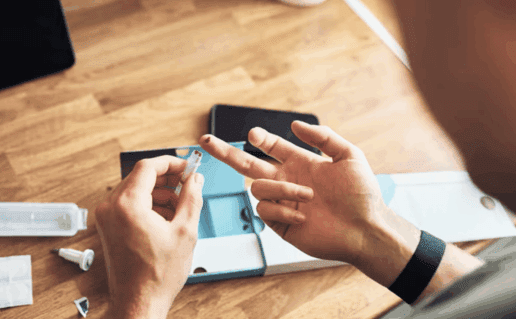
At-Home HIV Testing: Types, Accuracy & What to Expect

November 20, 2025
Aging with HIV: Challenges & Considerations for Seniors with HIV

November 7, 2025
Exercise and HIV: Building Your Strength and Immunity

October 23, 2025
Eating Well with HIV: A Nutrition Guide

October 13, 2025
HIV Travel Safety Tips: What to Know Before You Go

September 24, 2025
Fighting HIV Stigma


CONTACT US
We’re here to connect you to the information and resources you need.
Do you have questions about HIV? Do you want to know more about testing, connecting to care, or how to show support? Are you interested in learning more about how SIDE BY SIDE can help your community? Fill out this contact form and someone from our team will be happy to help you find answers.
Please be sure to include your preferred method of contact. We respect your privacy and we do not share your information without your permission
"*" indicates required fields